

How Does an AI Implementation Consultancy Work
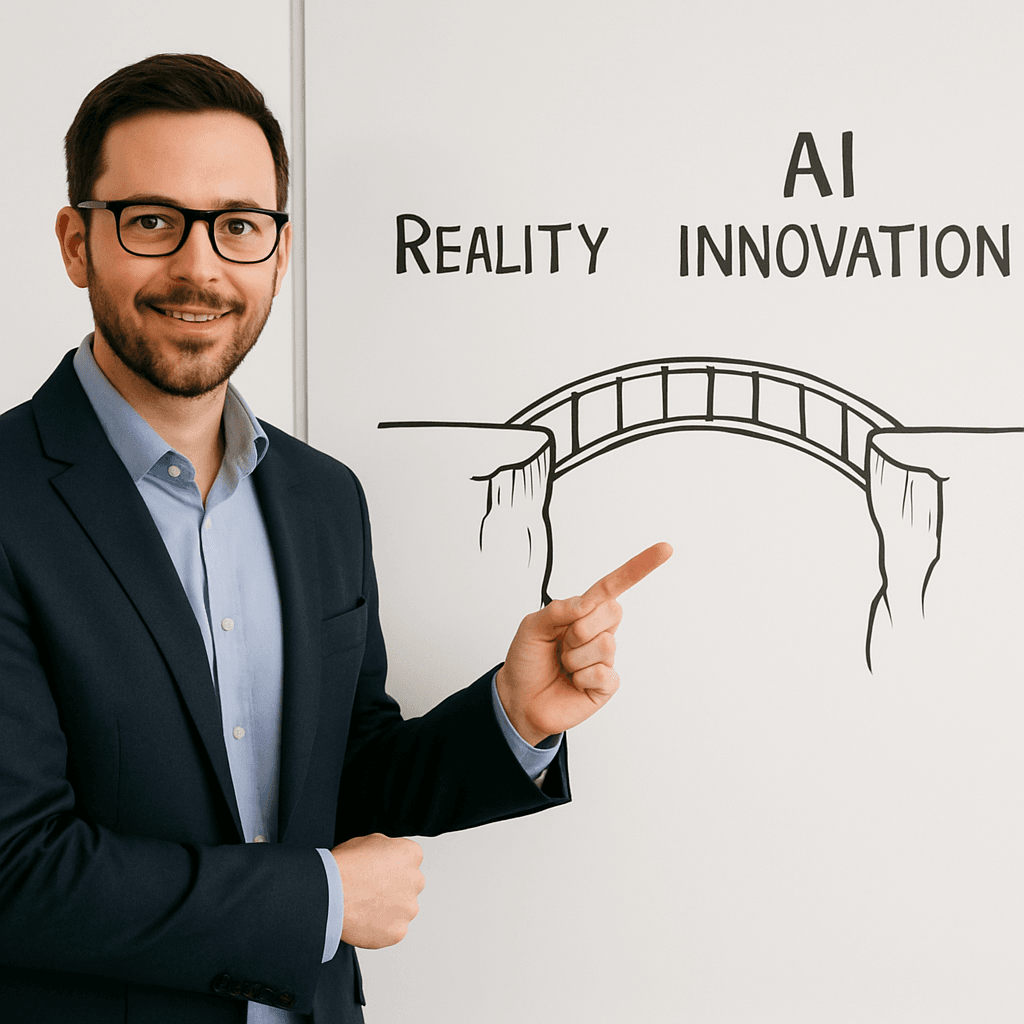
We’ve all seen the flashy headlines about artificial intelligence changing the business world overnight. But for most companies, a massive canyon exists between knowing this technology is impressive and actually using it to save five hours a week. That is exactly where an AI consultancy steps in to act as your bridge builder. Instead of just handing you complex software, these professionals construct a safe, reliable path from your current manual processes to automated daily workflows.
Would you trust a brand-new, untrained employee to run your entire customer service department on day one? According to industry surveys, most leaders wouldn’t, yet many try to plug raw AI directly into their businesses with similarly frustrating results. Real AI strategy consulting focuses on creating a “Digital Apprentice”—a customised tool that learns your specific company patterns before it starts doing the heavy lifting. In practice, this means turning generic software hype into a tailored assistant that actually understands how your mid-sized retail shop or local law firm operates.
People often search “how does an AI implementation consultancy work” hoping to find a quick link for a simple software download. The reality is much more valuable, unfolding as a specific, five-step journey from diagnosing your messy data to finally coaching your human staff. This roadmap transforms artificial intelligence from a confusing black box into your most reliable business asset.
The ‘Doctor’s Visit’ Phase: Why Your AI Journey Starts with a Business Audit, Not a Line of Code
We’ve all felt the temptation to buy a shiny new software tool hoping it magically fixes our daily headaches. However, an experienced AI implementation consultancy knows that rushing into artificial intelligence causes “Digital Organ Rejection”—a costly scenario where employees completely ignore an expensive system because it doesn’t fit their actual workflow. To prevent this, consultants start by carefully diagnosing your everyday operations before writing a single line of code.
Think of this diagnostic phase as a deep physical for your company, formally called an AI readiness assessment framework. This step acts as a straightforward checklist to see if your team has the right habits, skills, and data to support an automated helper. Consultants will sit down with your department heads to uncover hidden bottlenecks by asking:
- Which repetitive manual tasks consume the majority of your weekly hours?
- Where is the information for those specific tasks currently stored?
- What happens to your business if a computer makes a mistake on this process?
Answering these questions protects your budget from unnecessary, overhyped software purchases. Pinpointing true pain points allows consultants to prescribe a solution that genuinely makes your workday easier rather than adding frustration. Once this diagnosis is complete, the next step is translating those answers into action by building your Generative AI integration roadmap: how consultants map impact vs. effort.
Building Your Generative AI Integration Roadmap: How Consultants Map Impact vs. Effort
Once your business bottlenecks are diagnosed, the natural temptation is to try fixing everything at once. Good AI strategy consulting prevents this chaos by using an Impact-Effort Matrix—a simple grid ranking potential AI projects by the value they deliver versus their difficulty to build. Instead of tackling a massive overhaul immediately, consultants look for “quick wins” like an automated customer email sorter. These low-effort, high-impact tasks build immediate confidence while saving your budget for heavier lifting later.
Mapping these priorities creates your Generative AI integration roadmap, which typically visualizes a realistic three-to-six-month timeline. Without this strict schedule, companies often suffer from Project Drift—a frustrating scenario where a simple automation goal slowly morphs into an expensive, never-ending science experiment. Separating easy immediate wins from long-term strategic AI goals gives your team a clear picture of exactly what will be built and when it will be finished.
Securing this blueprint is only half the battle, because even the smartest plan requires the right raw materials to function. Before any tool is connected to your daily workflow, the next phase focuses on refining the “digital fuel”: how consultants prepare your data infrastructure for AI success.
Refining the ‘Digital Fuel’: How Consultants Prepare Your Data Infrastructure for AI Success
Handing a brand-new AI tool a chaotic folder of old spreadsheets is like pouring muddy water into a Ferrari. Before building the smart systems, consultants focus on developing a data infrastructure for AI. This simply means organising your digital files so the machine can actually read them. An AI model is only as intelligent as the information it consumes, making this unglamorous groundwork incredibly critical.
To evaluate if your current information is “AI-ready,” consultants perform a rigorous digital spring cleaning involving four crucial steps before any AI training begins:
- Consolidating scattered files from different departments into one central, secure location.
- Deleting outdated or duplicate records to prevent the AI from learning bad habits.
- Standardising formats so a customer’s name looks exactly the same in every document.
- Managing data privacy in AI projects by carefully stripping out sensitive personal details.
Once this essential cleanup is finished, you finally have the high-quality fuel required to power automation safely. Instead of crossing your fingers and launching a company-wide system immediately, consultants will test this freshly cleaned data on a much smaller scale. This careful transition leads directly into the AI Proof of Concept lifecycle: turning high-risk ideas into low-risk prototypes.

The AI Proof of Concept Lifecycle: Turning High-Risk Ideas into Low-Risk Prototypes
Rather than gambling your entire budget on an unproven idea, consultants build a miniature version of the solution first. This testing period—the AI proof of concept development lifecycle—allows businesses to “fail fast” and catch mistakes in a safe, controlled environment. If you want a new digital tool to summarise weekly sales reports, the team will test it on a single month’s data to ensure it actually saves time before launching it company-wide.
During this workshop phase, the AI also needs specific coaching to understand your unique industry terminology. Experts provide Custom LLM fine-tuning services, a process of feeding the tool your past company documents so it sounds like your best employee rather than a generic robot. Consultants then measure the prototype’s success purely on practical results, tracking whether the specialised system actually cut down daily administrative hours instead of focusing on complex mathematical scores.
Once this small-scale prototype proves its everyday value, it cannot just sit isolated on a consultant’s laptop. The next critical step involves getting this newly trained brain to seamlessly communicate with the legacy software and daily email platforms your staff already relies upon.
Solving the ‘Plumbing’ Problem: How AI is Integrated into Your Existing Software and Workflows
Even the smartest AI prototype is practically useless if it cannot actively reach your daily work. To bridge the gap between a standalone AI model and your existing tools like Salesforce or Outlook, consultants build an API—a digital connector that acts like a universal translator between different software. This crucial step transforms a theoretical experiment into a practical utility, allowing information to flow seamlessly back and forth without requiring your staff to juggle multiple screens.
Scaling machine learning models in production simply means taking that isolated prototype and plugging it directly into your company’s fast-paced routines. During this integration phase, consultants establish several everyday “plumbing” connections:
- Linking the AI to your email client to automatically draft customer replies.
- Connecting to your CRM software to instantly log sales interactions.
- Tying into messaging apps like Slack to alert your staff about urgent tasks.
However, building these new connections often exposes a hidden roadblock: technical debt. Think of technical debt as old software baggage—outdated systems, patched-together workflows, or messy code that actively resists modern upgrades. Overcoming technical debt in AI integration requires consultants to clean up those aging pipelines so the new digital cables can securely attach. Once the plumbing is finally fixed and data flows automatically, the next major challenge isn’t about the technology at all; it involves preparing your human workforce to actually embrace the change.
Beyond the Bot: Why Change Management and Ethical Governance Save AI Projects from Failure
Fixing the software is only half the battle; the real test is getting your team to actually use it. Employees often experience “AI anxiety,” fearing these digital apprentices will replace them rather than assist them. To prevent the new technology from gathering dust, consultancies prioritise change management for enterprise AI adoption—a structured approach to guiding staff through workplace shifts. Hands-on training plans systematically transform sceptical workers into confident users.
Trusting this new digital co-worker requires strict guardrails, which is why experts establish ethical AI governance standards. Think of this as a corporate rulebook ensuring the system makes fair, transparent decisions without relying on hidden biases. When staff understand exactly how the tool formulates its suggestions, they feel safe relying on it.
Ultimately, the goal is a smooth transition from consultant-led setup to employee-led daily usage. Once your team confidently drives the technology independently, the conversation naturally shifts from workflow mechanics to the financial bottom line. This newfound efficiency sets the perfect stage for navigating the cost of hiring an AI consultant, measuring your exact return on investment, and avoiding hidden fees.

Navigating the Cost of Hiring an AI Consultant: How to Measure ROI and Avoid Hidden Fees
Understanding the cost of hiring an AI consultant means recognising the AI talent gap—a severe market shortage of qualified builders. This scarcity creates two standard pricing structures: flat fees for the initial setup, and monthly retainers for ongoing maintenance. Budgeting for both prevents expensive surprises when your digital tools eventually need updating.
To ensure this expense pays off, shift your perspective on measuring AI implementation ROI. Instead of just tracking new dollars earned, focus on “Headache Reduction ROI”—the tangible financial value of eliminating daily workplace frustrations. Evaluate your project’s true success using three practical metrics:
- Time saved: How many weekly hours of tedious manual data entry vanished?
- Error reduction: Did routine mistakes in client orders finally drop?
- Revenue growth: Can your staff handle more accounts without working overtime?
Safeguarding these gains requires selecting the right AI vendor carefully. Vet potential partners by asking: “Who owns our data?”, “What happens during a system crash?”, and “How will you train us?” If their answers sound vague, you might wonder if you should tackle the project internally, which introduces the debate of when to build an internal team and when to hire an AI implementation consultancy.
DIY vs. The Pros: When to Build an Internal Team and When to Hire an AI Implementation Consultancy
Every growing business eventually faces the classic dilemma of hiring full-time staff versus outsourcing. When weighing internal AI vs external consultancy options, building your own dedicated team might sound ideal. However, this approach masks massive hidden costs, including expensive employee benefits, months-long recruiting cycles, and the harsh reality of a severe shortage of qualified technology builders.
External agencies offer a compelling shortcut to bypass these costly hiring headaches. Instead of hunting for rare talent, you gain an “instant” team of experts ready to work on day one. Think of it like hiring a fully equipped construction crew to build your new office building, rather than trying to interview and recruit individual bricklayers and electricians yourself.
To get the best of both worlds, many businesses adopt the hybrid model. This approach uses outside consultants to build the heavy digital plumbing while simultaneously training your existing staff to manage the daily operations. These practical AI talent gap solutions perfectly bridge the divide, leading right into your next move: your action plan to selecting the right AI partner.
From Concept to Cash Flow: Your 3-Step Action Plan to Selecting the Right AI Partner
The journey from messy files to smart automation is no longer a mystery. Adopting artificial intelligence isn’t about flipping a magic switch. It is a guided five-step process—from diagnosing problems and cleaning data “fuel,” to building, connecting, and coaching your team. When you ask how does an AI implementation consultancy work, the answer is simply expert AI project management that builds a practical bridge to future efficiency.
Before hiring these bridge builders, you can prepare your business immediately. Try this Monday morning checklist to assess your readiness:
- Identify the pain: Pick one highly repetitive task that drains your team’s time.
- Check the fuel: Determine if the documents and data for this task are organised.
- Define success: Decide exactly how many hours you want to save.
You don’t need to be a software developer to hire a digital apprentice. With your checklist in hand, you are fully equipped to find a consultant who fits your business and take your first confident step towards effortless automation.